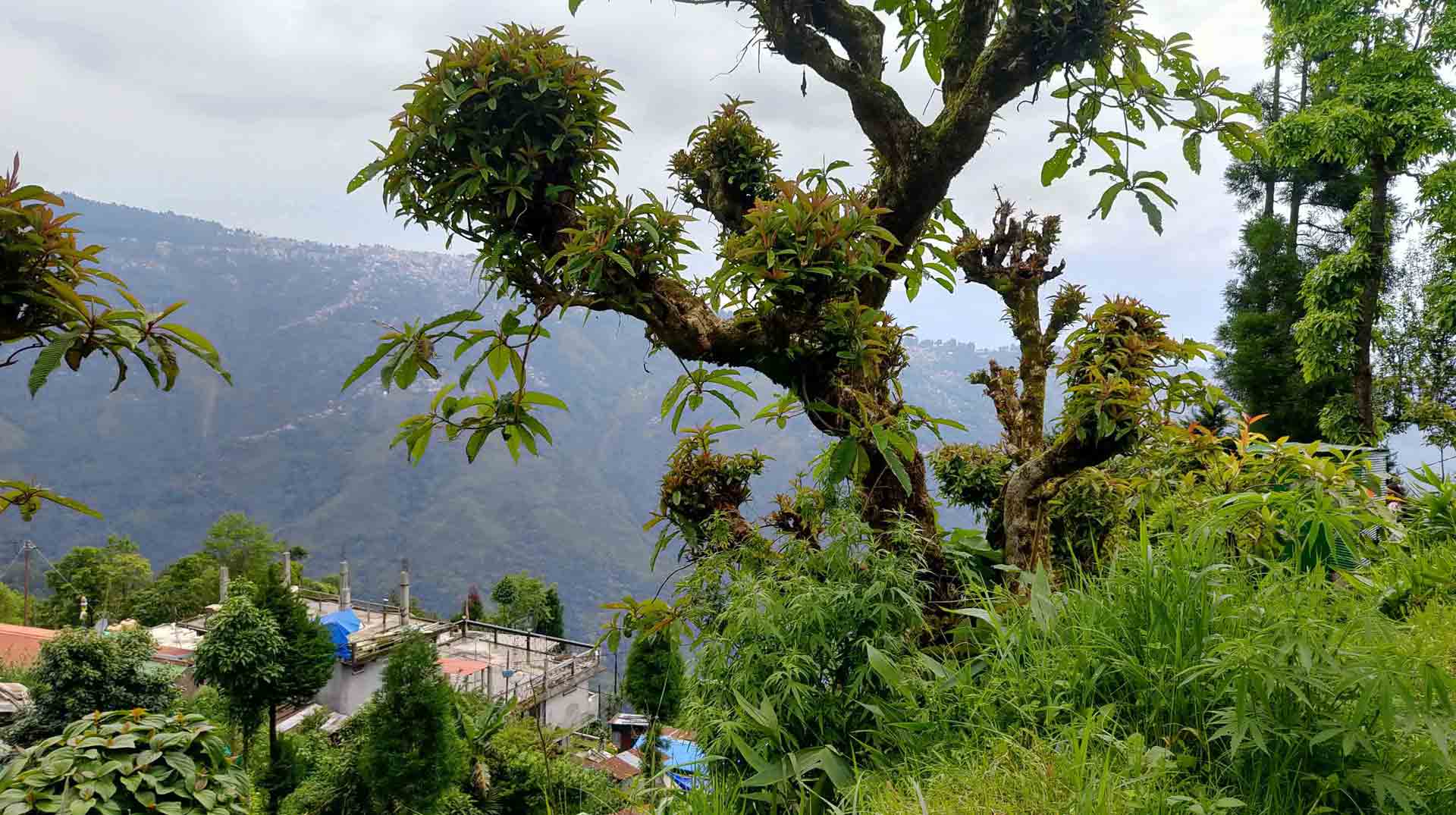
Dawaipani, a quiet offbeat village nestled near Darjeeling, is not only known for its Kanchenjunga views and peaceful forests—it's also a hidden paradise for birdwatchers. Surrounded by Senchal Wildlife Sanctuary, pine forests, and bamboo groves, Dawaipani offers an incredible birding experience for both amateur and professional bird lovers.
In this guide, we'll cover everything you need to know about birdwatching in Dawaipani—from what birds to expect, best seasons, timings, gear, and tips to make your experience unforgettable.
Why Dawaipani is a Birdwatching Hotspot
Common Birds Spotted in Dawaipani
Season: Monsoon to Winter
| Bird Name | Type | Remarks |
|---|---|---|
| Rufous Sibia | Songbird | Very active around forest edges |
| Verditer Flycatcher | Flycatcher | Bright blue, great for photography |
| White-throated Fantail | Insectivore | Known for its fanning tail display |
| Black Bulbul | Songbird | High-pitched calls, often in flocks |
| Himalayan Bulbul | Songbird | Stylish crest and active behavior |
| Blue-fronted Redstart | Migrant | Seen during winter months |
| Green-backed Tit | Common | Hops around bushes and trees |
| Chestnut-crowned Laughingthrush | Ground forager | Shy, moves in groups |
| Great Barbet | Large frugivore | Very vocal, colorful |
| Oriental Magpie Robin | Yard bird | Seen in gardens, sings beautifully |
| Yellow-bellied Fantail | Small flycatcher | Quick and fluttery |
🌿 Bonus: You may also spot woodpeckers, sunbirds, drongos, and thrushes—especially early morning after light rain.
Best Season for Bird Watching
Monsoon
June to August
Lush greenery, insect-rich environment = lots of bird activity
Post-Monsoon
September to November
Clear skies, perfect for photography
Winter
December to February
Migration season – chance to see Himalayan migrants
💡 Tip: Avoid peak rainy days, but early morning post-shower is often very rewarding
Best Time of Day for Birding
| Time Slot | Why It's Best |
|---|---|
| 5:30 AM – 8:30 AM | Birds are most active, light is soft |
| 4:00 PM – 6:00 PM | Pre-roosting activity, golden light |
| Avoid Noon to 3 PM | Most birds rest, light is harsh |
What to Bring
Best Birding Spots in and around Dawaipani
Rakhali Homestay Garden & Bamboo Fence Area
Frequent activity of small birds
Senchal Forest Edge (5 mins walk)
Woodpeckers, laughingthrush, bulbuls
Nearby village trail towards Takdah road
Open sky birding and hillside perches
River trail below the village
Birds bathing, foraging spots
Morning near Water Tanks or Streams
Birds come for water early
Tips for Bird Photography in Dawaipani
Stay Recommendation for Birders
Rakhali Homestay – Dawaipani
📍Located at a birding sweet-spot, Rakhali Homestay offers:
📞 For stay & local birding assistance:
Sudip Roy Chowdhury – +91 98306 43995
Final Tips for Birdwatchers
Conclusion
Birdwatching in Dawaipani is not just about spotting rare species—it's about experiencing the stillness, sounds, and natural rhythm of the Eastern Himalayas. Whether you're a seasoned birder or a curious tourist, this region promises sightings that are rare, memorable, and soul-filling.
So pack your binoculars, grab your camera, and let Dawaipani's forests surprise you.